When a loved one can no longer manage their personal care, finances, or property, establishing a California conservatorship may become necessary. For families facing this situation, understanding the legal process and the responsibilities involved can be challenging.
If you’re considering a conservatorship, you may have questions about the court procedures, required documents, and the time involved in appointing a conservator.
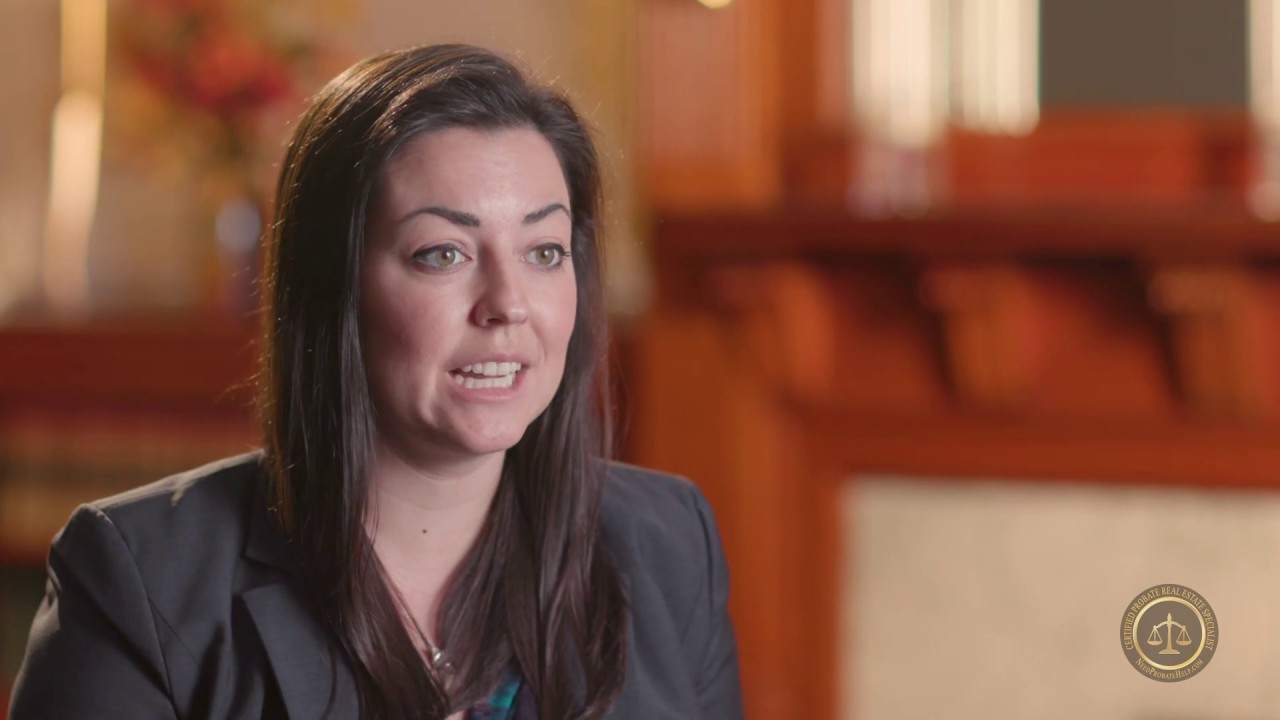
In this educational interview, a California probate attorney discusses the process of establishing a conservatorship and the role of the Probate Court.
For families who also need to manage or sell real estate during a conservatorship, understanding the legal authority of the conservator and any applicable court approval requirements is an important part of planning.
California probate and trust attorney Jennifer F. Scharre explains the legal steps involved in establishing a California conservatorship, including filing court documents, working with a court investigator, and understanding local Probate Court requirements.
Editor’s Note — California Conservatorship Court Procedures – October 2026
This interview with California probate attorney Jennifer F. Scharre is preserved as originally recorded for educational purposes.
The petition generally used to request appointment of a probate conservator is Judicial Council Form GC-310, Petition for Appointment of Probate Conservator. This differs from a petition to administer a deceased person’s probate estate.
Other documents may include confidential supplemental information, notices, and medical capacity declarations, depending on the circumstances. Court investigator procedures and local filing requirements may also vary.
For current forms and procedures, consult the California Courts website and the applicable Superior Court’s Probate Division.
If you’re managing a conservatorship involving real estate in Santa Clara County, understanding your options early can help you plan for a potential sale. The conservator’s authority, applicable court approval requirements, and the property’s circumstances can all affect the timing and process of selling the property.

Once you have made the decision or you have worked with an attorney and determined that a California conservatorship is necessary, the next thing you need to do is file your documents with the court. There are a variety of judicial council forms, and they are literally fill-in-the-blank forms on the Internet. Most court websites actually have very helpful self-help pages that explain to you all of the documents that need to be filed.
Probate Process for California Conservatorship
 The first of these documents is a petition for probate. This is your essential document that tells the court what you are asking for and why you are asking for it. Another essential document is what is called Confidential Supplemental Information. In the petition for probate, because that is a public court record, you do not want to go into too much detail about someone’s medical diagnosis or personal information – especially where you have some of those challenging family dynamics. The supplemental confidential information is really your opportunity to explain to the court and the court staff what’s really going on and why this is really necessary.
California Conservatorship Court Investigator
 You will also be working throughout this process with someone called a court investigator. This is the person that the court relies on as the boots on the ground. They go out and meet the proposed conservatee, they meet with the conservator, and they may be calling family members or friends to figure out what is going on so that they can complete their own investigation. Ultimately, they will make their own recommendation to the judge. I’d say most of the time, the judge weighs heavily on that court investigator’s report and will make the decision they recommend.
Make sure you always go to the court website to look at the local rules, as each county has specific items that they need before a conservatorship can be filed.
Sometimes you may have to call the court investigator’s office. Sometimes a capacity declaration is required in advance, so you may need to speak to the client’s doctors. Just be aware of all of the requirements that are necessary. Because really, you are asking the court to take away someone’s freedom, and they take that very seriously.
Additional Videos
Explore these related interviews with California probate attorney Jennifer F. Scharre:
Additional Information and Professional Resources
Establishing a California conservatorship can involve complex legal procedures and ongoing court responsibilities. Consulting an experienced California probate attorney can help families understand the requirements and navigate the process.
For additional information, review the Judicial Council of California’s free Handbook for Conservators.
Selling Real Estate During a Conservatorship
If a conservatorship involves real estate, understanding the conservator’s authority and any applicable court approval requirements is an important part of planning a sale.
Kathleen Daniels is a Certified Probate Real Estate Specialist (CPRES) representing sellers of real property in probate estates, trusts, and conservatorships throughout Santa Clara County.
From preparing a property for sale to coordinating with attorneys and other professionals, Kathleen provides specialized real estate guidance throughout the selling process.
Have questions about selling a property during a conservatorship?
Contact Kathleen Daniels – Probate & Trust Real Estate Specialist or call (408) 972-1822.