
How to avoid probate in California is an important estate planning consideration for individuals and families.
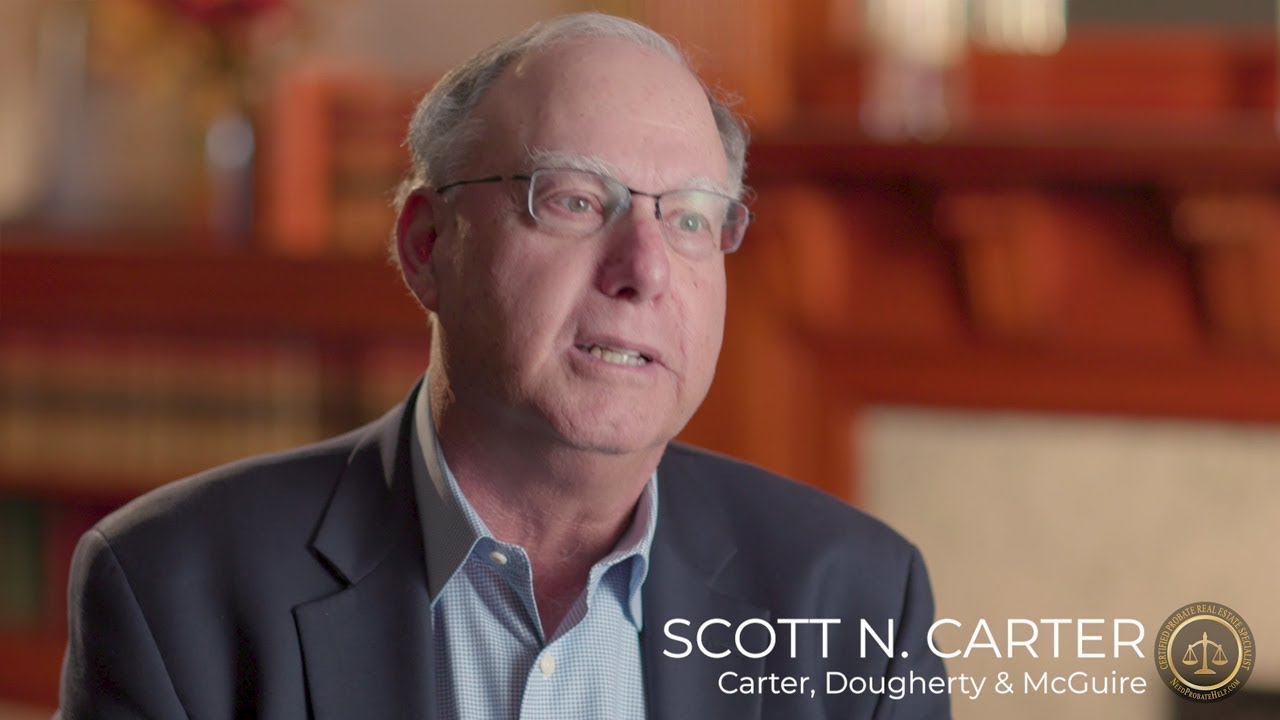
In this video, California trust attorney Scott N. Carter discusses how properly prepared estate planning documents, including revocable living trusts, may help families avoid probate proceedings.
Creating a trust is only one part of the process. Assets generally must be properly transferred into the trust, or otherwise arranged to pass outside probate, for the intended probate-avoidance benefits to apply.
Editor’s Note — October 2026
This video provides general information about living trusts, probate, and conservatorships. Some statements describe these legal processes more broadly than California law requires.
A living trust is one way to help avoid probate, but not every estate without a trust requires formal probate administration. Assets may pass outside probate through beneficiary designations, joint ownership arrangements, or applicable California statutory procedures.
A properly established and funded living trust can also help provide continuity in managing trust assets if the trustor becomes incapacitated. However, a trust does not automatically eliminate the possibility of conservatorship proceedings.
Marriage alone does not necessarily authorize one spouse to manage every financial, legal, or personal matter for an incapacitated spouse. Depending on the circumstances, powers of attorney, advance healthcare directives, trust provisions, and other legal arrangements may provide alternatives to conservatorship.
Conservatorship reporting and accounting requirements depend on the type of conservatorship and applicable court orders.
For guidance concerning a specific estate, trust, or incapacity planning situation, consult a qualified California probate and trusts attorney.
What is Probate?
 The process when someone passes away, if you die without a trust, or you die with a will or without a will, you are going to go through what is called probate. The probate process is the transfer of property from the estate to the beneficiary.
The most popular and main way most Californians avoid probate is through a revocable living trust. We set up a trust that allows the parties to name a trustee and bypass the probate process.
To do that, they have to actually fund (F U N D) the trust with the assets to avoid probate. Once that is done, it accomplishes a couple of things.
How to Avoid Probate | The Purpose of Trusts
- It is going to avoid the very time-consuming probate, and
- It can avoid what is called a conservatorship
A conservatorship is when someone becomes incapacitated; they must go through the court process to have their estate supervised.
Misconceptions About Trusts and Probate
 Most people believe that if I am married and my spouse will take care of me, then I don’t need to go through court. But that is incorrect. Even though you are married to a spouse, the spouse would actually have to go to court to become appointed as the conservator and have the court supervise everything they do.
In fact, they have to come back to the court after they get a conservatorship after one year and every other year thereafter of the incapacitated person’s life to report back to the court and do a complete accounting. This is very cumbersome and very bothersome to a surviving spouse or to children if they are doing it for a parent or a relative.
The two gigantic advantages of a trust are:
- Avoid Probate
- Avoid a conservatorship
About Scott N. Carter
Scott N. Carter is a California attorney featured in this video discussing estate planning, living trusts, and ways to help avoid probate.
At the time of the interview, Scott was associated with [Carter, Dougherty & McGuire](https://www.cdbatlaw.com/), a San Jose law firm providing legal services involving estate planning, trusts, probate, and tax matters.
Proper estate planning may help individuals and families avoid probate for certain assets and reduce the likelihood of conservatorship proceedings. The appropriate planning strategies depend on individual circumstances and applicable California law.
Contact information provided at the time of the interview: 408-241-2121.